


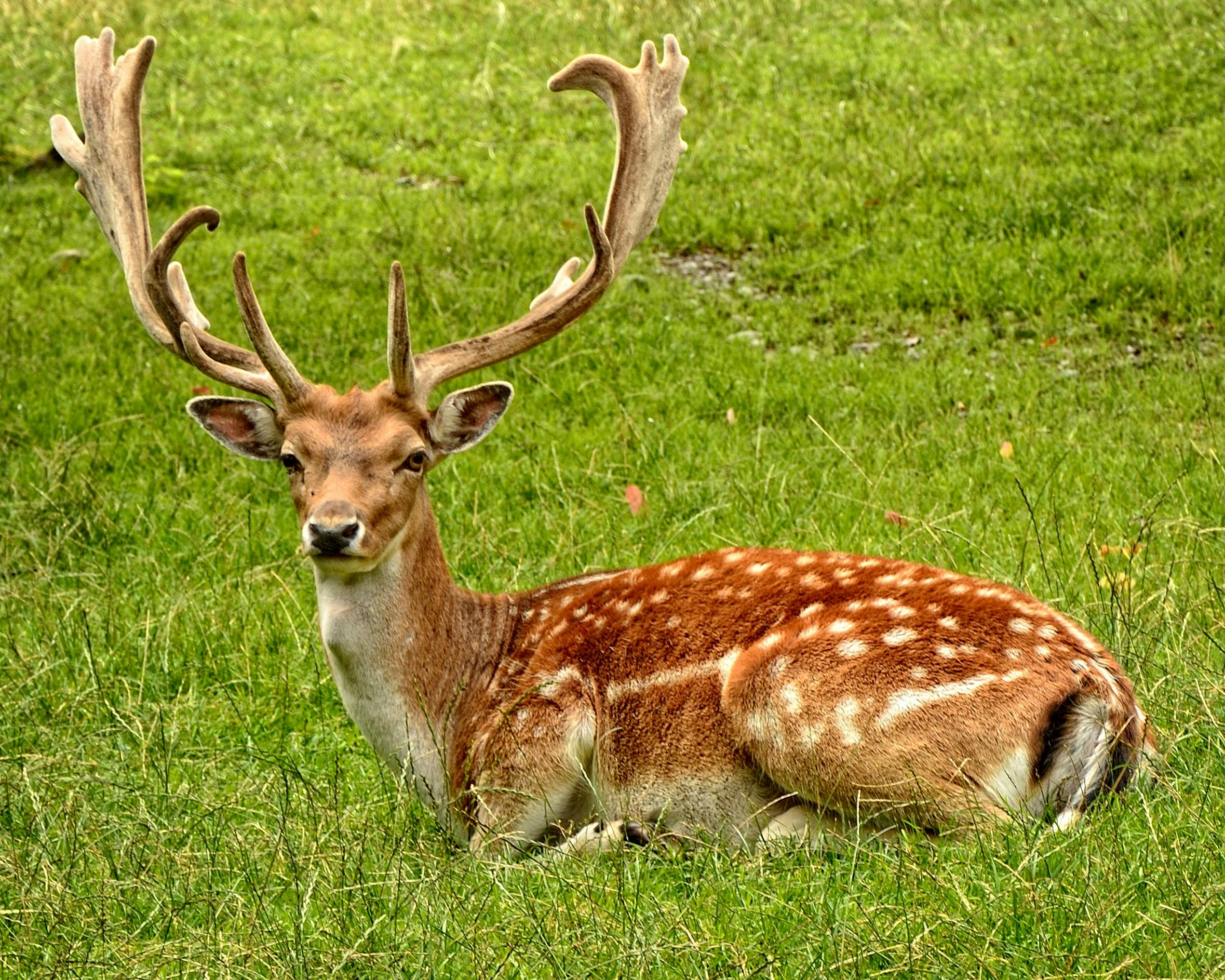
Unveiling the Genius: Exploring Intelligence in Animals
Introduction
Intelligence in the animal kingdom is a fascinating and multifaceted field of study that continues to surprise and intrigue scientists and animal lovers alike. From the intricate problem-solving abilities of birds to the complex social structures of dolphins, the genius of animals is being unveiled in groundbreaking ways. In this blog post, Unveiling the Genius: Exploring Intelligence in Animals, we will delve into the captivating world where the lines between human and animal intelligence often blur, revealing incredible insights into the minds of our non-human counterparts.
Understanding Animal Intelligence
Animal intelligence encompasses a variety of mental capabilities, including learning, problem-solving, emotional knowledge, and social skills. It’s the way different species understand and interact with their environment and peers. What’s remarkable is how these abilities manifest across various species in unique and often surprising forms.
Take, for instance, the African Grey Parrot famed for its ability to mimic human speech. This bird species does not merely echo words but understands context and can use language to communicate effectively. Such instances challenge our perception of speech and cognition as uniquely human traits.
Cognitive Skills Across Different Species
Primates: Cognitive Champions
Primates, particularly chimpanzees, bonobos, and gorillas, exhibit cognitive skills that closely parallel human intelligence. Studies show these animals can use tools, recognize themselves in mirrors, and communicate through sign language. The famous example of Koko the gorilla, who understood over 2,000 words of spoken English and communicated using sign language, highlights the profound intelligence possessed by our closest biological relatives.
Cetaceans: The Intellectual Giants of the Sea
Dolphins and whales are renowned for their sophisticated social behaviors and communication skills. Dolphin societies have hierarchies and exhibit cooperative hunting strategies that demonstrate advanced problem-solving skills. Their ability to use echolocation for navigation and hunting is an outstanding adaptation, showcasing cognitive abilities that are both different from and similar to human reasoning.
Birds: Masters of Problem Solving
Corvids, like crows and ravens, and some parrot species, display astonishing levels of intelligence. These birds can solve complex puzzles, use tools, and plan for future needs—an ability once considered exclusive to humans. Instances of crows dropping nuts on busy streets so cars can crack them open, then retrieving the nuts from traffic during red lights, underscores their understanding of cause and effect, timing, and tool use.
Social Intelligence in Animals
Social intelligence is another crucial aspect of animal cognition. Elephants, known for their impressive memory, also exhibit profound empathy and grieving behaviors, indicating advanced emotional intelligence. Wolves, living and hunting in packs, rely on complex social structures and clear communication to survive. This level of cooperation and social understanding is a testament to their intelligence.
FAQs About Animal Intelligence
Q: Can animals really think and feel emotions like humans do?
A: Yes, many animal species display behaviors indicative of both cognitive thinking and emotional experiences. Studies have documented instances of joy, grief, jealousy, and empathy among various species.
Q: How do scientists measure animal intelligence?
A: Animal intelligence is typically assessed through experiments and observations that test memory, problem-solving skills, tool use, communication capabilities, and social interactions. These studies are designed to understand the mental processes behind animals’ actions.
Q: What does studying animal intelligence tell us about human intelligence?
A: Researching animal intelligence helps us understand the evolutionary origins of cognition and the different forms intelligence can take. It also offers unique perspectives on the complexity of human intellect and emotional depth.
Q: Are some animals smarter than humans in certain ways?
A: While direct comparisons of intelligence across species can be misleading, animals can exhibit cognitive abilities that are more fine-tuned to certain tasks or environments than humans. For instance, echolocation in bats and dolphins, or the migration abilities of birds, are types of intelligence where these animals exceed human capabilities.
Conclusion: Reflecting on the Intelligence of Our Animal Counterparts
In Unveiling the Genius: Exploring Intelligence in Animals, we’ve just scratched the surface of the rich cognitive world of non-human animals. Every study and observation peels back a layer of the complex tapestry of intelligence that spans across species. As we continue to explore, respect, and learn from these intelligent beings, we not only expand our own knowledge but also enrich our understanding of life on earth. So the next time you observe an animal, take a moment to appreciate the deep intellectual and emotional capacities that may lie beneath what meets the eye. This ongoing revelation of animal intelligence not only fascinates but also humbles, reminding us of the incredible interconnectedness of life.