


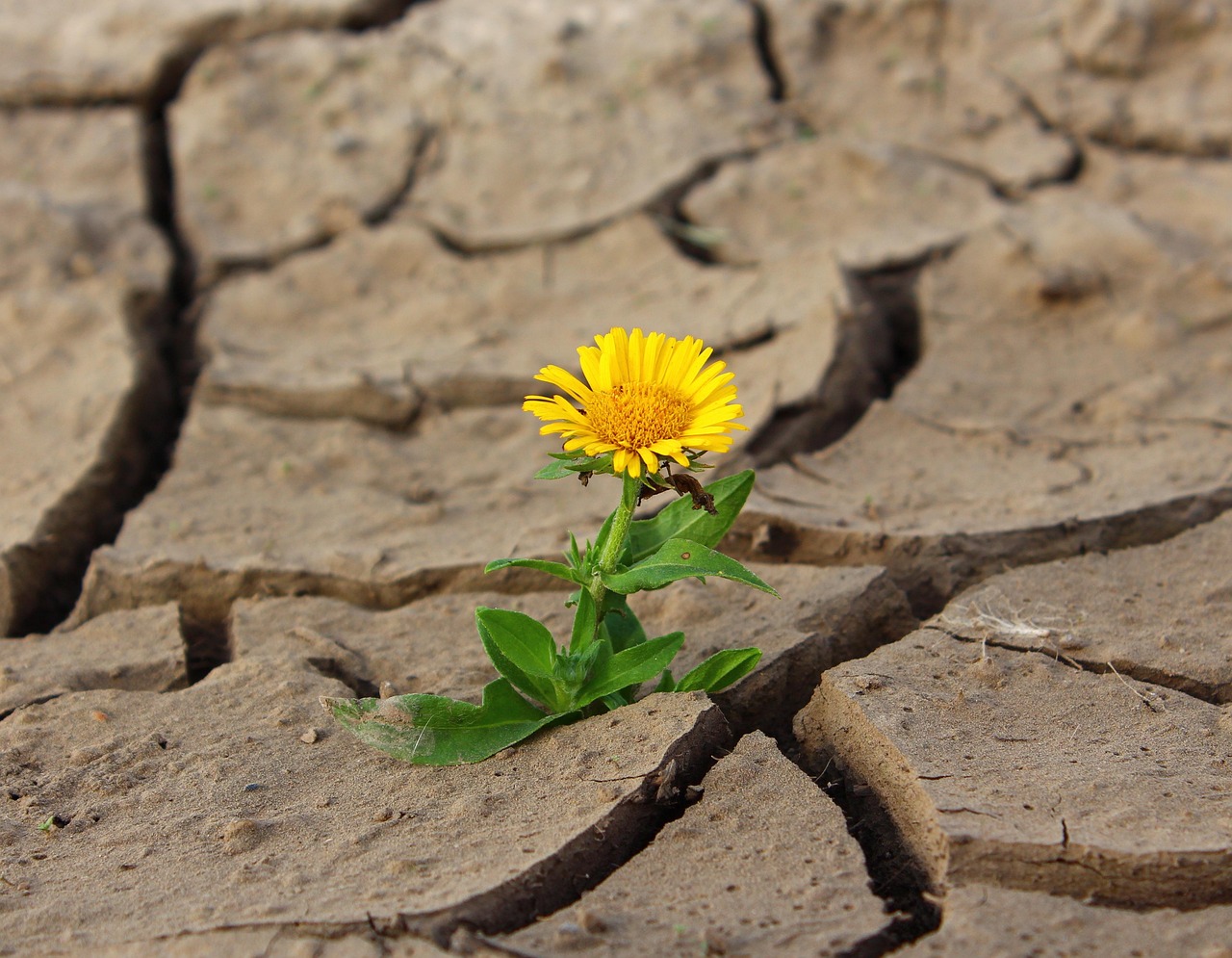
Unveiling Nature’s Masterclass: Exploring Resilience Lessons for Life’s Challenges
Introduction:
When facing life’s varied challenges, it’s essential to find sources of strength and resilience. Look no further than nature itself, our oldest mentor. Nature, through its millennia of evolution, demonstrates resilience in ways that can teach us about survival, adaptation, and thriving despite adversities. In this blog post, we’re diving deep into the concept of “Unveiling Nature’s Masterclass: Exploring Resilience Lessons for Life’s Challenges,” to uncover the timeless strategies that the natural world offers, and how we can apply these lessons to our own lives.
The Roots of Resilience: What Nature Teaches Us
Nature is not just a backdrop for recreational activities; it’s a dynamic classroom brimming with lessons on resilience. From the mighty sequoia trees resisting storms and fires, to the simple daisies that bloom steadfastly in both manicured gardens and cracked city sidewalks, each element of the natural world offers insights into enduring and evolving through life’s obstacles.
- Adapt Like the Bamboo: Known for its flexibility, the bamboo bends with even the fiercest winds but rarely breaks. It teaches us the value of flexibility in life. When faced with daunting challenges, sometimes the winning strategy is to adapt rather than resist. By embracing change and adapting our strategies to new realities, we can navigate through difficulties more effectively.
- Persist Like a Seedling: Even in the harsh, rocky soil, seedlings find a way to germinate and thrive, pushing through immense barriers. Life, much like the rocky soil, often puts substantial obstacles in our path. The lesson here is persistence. The ability to keep pushing forward, even when progress seems slow or futile, can eventually lead to breakthroughs.
- Renew Like the Forest: Forests, after a devastating fire, have an incredible ability to regenerate. This natural renewal process is akin to our need for recovery and rejuvenation. Whether it’s bouncing back after a personal setback or a professional defeat, understanding the importance of giving ourselves time to heal and recover is crucial.
- Cooperate Like the Ants: Ants, working in unison, achieve feats far beyond the capabilities of a lone ant. This example points to the power of community and collaboration. Building strong networks and fostering teamwork can provide the support system necessary to surmount even the most daunting tasks.
Utilizing Nature’s Resilience in Our Daily Lives
Incorporating these lessons from nature requires mindfulness and a willingness to observe. How can we, in our daily lives, be more like the bamboo, seedling, forest, or ants? It starts by acknowledging that resilience is not inherent but developed through conscious, consistent actions.
- Flexibility: Stay flexible by continually reassessing and adjusting your goals as circumstances change. Embrace lifelong learning to adapt your skills and knowledge to current needs.
- Persistence: Develop a routine that encourages persistence. Break larger goals into manageable tasks, and celebrate minor victories to maintain motivation.
- Recovery: Implement regular check-ins with yourself to gauge your mental and physical health. Just as lands rejuvenate after a fire, allow yourself time to recover from life’s pressures.
- Community: Invest in your relationships. Foster a support network that encourages exchange, mutual growth, and collective resilience.
FAQs:
Q1: How can observing nature help improve my resilience?
Observing nature allows us to step back and understand the fundamental processes of adaptation, persistence, recovery, and collaboration in a world that functions independently of human concerns.
Q2: Can these lessons from nature be applied in the workplace?
Absolutely! Flexibility, persistence, recovery, and collaborative effort are valued competencies in any professional setting. They can lead to better management of work challenges and improve overall workplace dynamics.
Q3: Are there simple ways to start integrating these lessons into daily life?
Yes, start small. For example, practice flexibility by altering your routine occasionally, develop persistence by setting and working towards small goals, ensure to include downtime in your schedule for recovery, and participate in community activities to enhance cooperation.
Conclusion:
“Unveiling Nature’s Masterclass: Exploring Resilience Lessons for Life’s Challenges” is more than a concept—it’s a holistic approach to learning from the world around us. As we have seen, the resilience demonstrated by nature in its processes and beings can offer us valuable strategies for dealing with our human challenges. By tuning into these natural lessons and integrating their wisdom into our lives, we not only become more adept at handling personal and professional difficulties but also contribute to a more sustainable relationship with our environment. Remember, resilience is about more than just surviving; it’s about thriving—something nature does remarkably well.
Let nature be your guide as you navigate the complexities of life, and you’ll find that its lessons are timeless and its resilience, inspiring.