


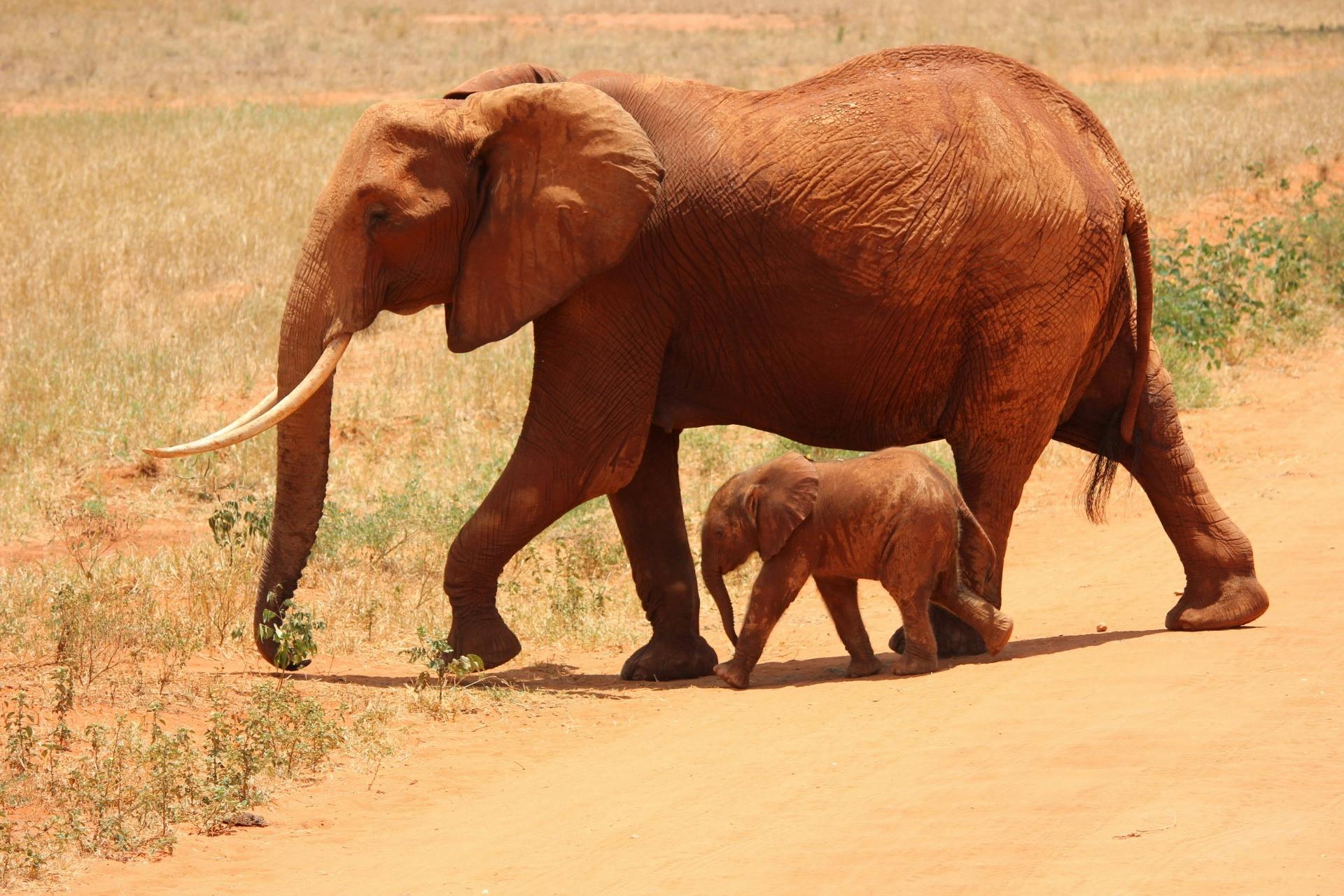
Unlocking the Secrets of Memory: Lessons Learned from Elephants
Have you ever wondered how elephants manage to remember vast swathes of territory or how they recognize friends and even hold grudges for years? “Unlocking the Secrets of Memory: Lessons Learned from Elephants” delves into the world of these magnificent creatures to understand the complexity of their memories and what humans can learn from them.
Introduction
Elephants have long been recognized for their impressive memory and intelligence. As one of the most iconic animals roaming the earth, these gentle giants exhibit memory skills that exceed many other species, including humans in certain aspects. This keen memory allows elephants to survive in the wild, avoiding predators, and forging strong familial bonds. By exploring how elephants remember and the structure of their brains, we may unlock new ways to enhance human memory and treat memory-related conditions.
Understanding Elephant Memory
Elephants have a highly developed hippocampus, a brain region responsible for emotion and memory processing. This feature is not just larger in comparison to their overall brain size but is also highly efficient. Their memories are crucial for their survival, guiding everything from foraging paths to sociocultural practices.
Social Structure and Memory
Elephants are profoundly social creatures. They live in tightly-knit matriarchal family groups where the eldest female often takes on the leadership role. These matriarchs rely heavily on their memory to lead their herds through ancient migratory routes to find water and food, a task pivotal particularly during drought seasons. This knowledge, passed from one matriarch to the next, is an exquisite representation of learned behavior and memory retention.
Memory and Survival
Migratory routes are just one part of their memory use. Elephants also remember the location of water holes over vast distances and many years. Furthermore, their memory aids them to avoid dangerous places where the herd might have encountered predators or poachers in the past. Their ability to remember and recognize individual humans or other elephants even after many years highlights their sophisticated memory capabilities.
Unlocking Human Memory: Insights from Elephants
Studying elephants’ memory can provide valuable insights into human memory systems. For instance, the way elephants remember and pass down survival tactics can be mirrored in how humans could potentially refine knowledge transfer processes or improve educational methods. Moreover, understanding the structure of an elephant’s brain and its processes can aid scientists in developing new treatments for memory-related diseases like Alzheimer’s.
Potential Applications of Elephant Memory Research
-
Educational Memory Techniques: By studying how elephants learn and remember, educators might discover new tactics for teaching humans, potentially making learning more intuitive and aligned with our natural capabilities.
-
Therapeutic Advances: The elephant’s ability to manage emotional memories effectively could offer a model for treating psychological disorders in humans, such as PTSD, where the inability to forget traumatic memories plays a central role.
-
Enhancing Artificial Intelligence: By mimicking the neural pathways used by elephants in AI algorithms, researchers might enhance how machines learn and process large sets of data, improving decision-making processes and memory capacity in robots.
FAQs: Unlocking the Secrets of Memory: Lessons Learned from Elephants
Q: How do elephants use their memory for survival?
A: Elephants use their memory primarily for navigation and recognizing necessary resources like food and water. Additionally, memory helps them avoid predators and recall social connections.
Q: Can studying elephants help improve human memory?
A: Absolutely. By studying how elephants process and retain memory, researchers can develop better cognitive models for humans which might aid in enhancing memory retention and even treating memory-related disorders.
Q: What makes elephant memory so unique?
A: Elephants have a large hippocampus relative to their brain size, which aids in emotional processing and memory. This biological trait enables them to remember vast territories and complex social constructs within their herds.
Conclusion
“Unlocking the Secrets of Memory: Lessons Learned from Elephants” not only enlightens us about the fascinating memory capabilities of elephants but also offers intriguing possibilities for human cognitive research and improvement. Just as elephants use their memory to ensure their survival and strengthen social bonds, humans can learn to optimize our memory in ways that enhance our educational practices, treat diseases, and even develop future technologies. The majestic elephant, thus, provides not just a symbol of remembrance but a very real blueprint for advancing our understanding of memory. In understanding these gentle giants, we unlock the secrets to our own minds, paving the way for innovations that could transform how we think, learn, and remember.