


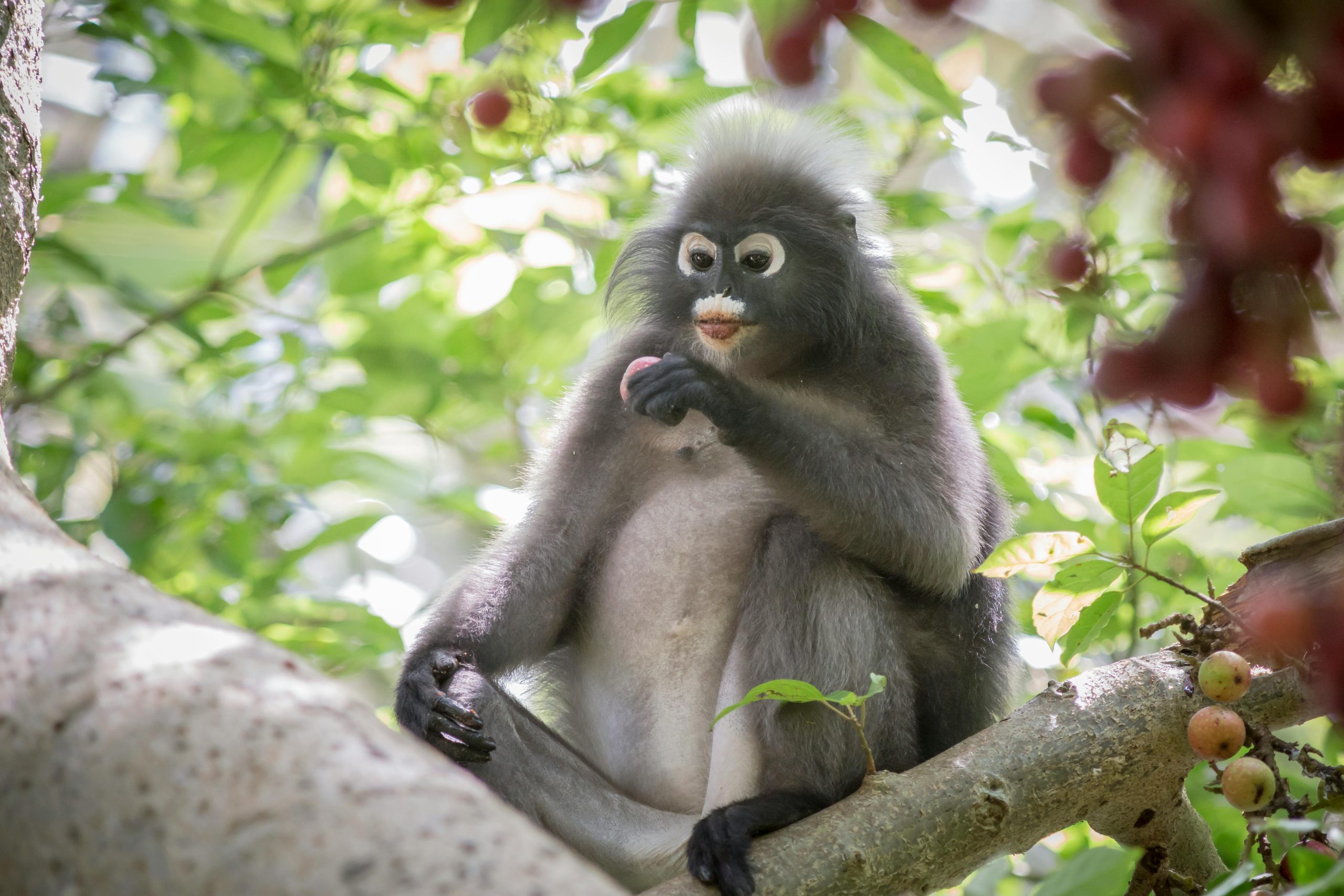
Exploring Teamwork in Animal Kingdoms: How Species Collaborate for Survival
In the bustling, interconnected ecosystems of our planet, teamwork isn’t just confined to human endeavors. Across diverse habitats, you’ll find astonishing examples of cooperation and collaboration among different species, essential for survival and prosperity. Exploring teamwork in animal kingdoms reveals not only the complexity of nature but also how integral cooperation is among different species for navigating the challenges of life.
From fearsome predators coordinating complex hunts to tiny ants forming colossal colonies, the natural world showcases myriad ways that animals work together. This collaborative spirit supports not just individual species, but whole ecosystems, thus maintaining the balance crucial for survival. Let’s dive deep into how species collaborate in the animal kingdom and uncover some fascinating practices of teamwork in nature.
Why Do Animals Team Up?
Animals team up for various survival-related reasons, including hunting, protection, raising offspring, and maximizing resource use. These collaborative efforts usually lead to better defensive mechanisms, increased reproductive success, and greater efficiency in resource gathering. For instance, African wild dogs, one of the most successful hunters in the animal kingdom, hunt in packs and use highly sophisticated chasing techniques that rely on the group’s coordination to tire out prey before striking.
Examples of Teamwork in the Animal Kingdom
-
Wolves: Leading the pack when it comes to strategic hunting are wolves. Known for their sharp communication skills through body signals, wolves are able to plan their attack and execute with precision, often taking on animals much larger than an individual wolf. The pack’s unity is their strength, making them one of the most formidable predators.
-
Dolphins: Dolphins use sophisticated echolocation to communicate and coordinate with each other, often while hunting schools of fish. They drive the fish into tight balls and take turns swooping through the ball to feed. This not only increases their hunting efficiency but minimizes the individual energy expenditure necessary for survival.
-
Leafcutter Ants: Not all examples require large animals. Leafcutter ants demonstrate teamwork in a different fashion. They form one of the most complex societies in the insect kingdom, complete with roles ranging from gatherers and caretakers to soldiers. Each ant contributes to the colony by performing tasks aligned with its specific role, underlining that successful teamwork can exist in diverse forms.
-
Elephants: Known for their intelligence, elephants are also compassionate and cooperative beings. They work as a cohesive unit to protect and raise their young, often forming a protective circle around the calves when they sense danger or when moving through challenging terrains.
How Does Teamwork Benefit Species?
Exploring teamwork in animal kingdoms opens up a view into the evolutionary benefits of collaboration:
- Enhanced Survival Techniques: By working together, animals can tackle challenges and threats that would be difficult or impossible to face alone.
- Increased Efficiency: Teamwork often leads to a more efficient way of gathering resources such as food and water.
- Improved Reproductive Success: Many animals rely on the safety of a group to ensure the protection of their young, directly impacting the survival and continuity of a species.
FAQ on Teamwork in Animal Kingdoms
Q1: How do animals communicate for effective teamwork?
A1: Animals use a variety of communication methods, including vocalizations, body language, chemical signals (pheromones), and even bioluminescence. Each species has adapted its communication methods to suit its environmental needs and social structures.
Q2: Can teamwork in animals be learned or is it instinctive?
A2: It’s often a mix of both. Many species have innate instincts that drive them to cooperate, like pack hunting in wolves or the hive mentality in bees. However, animals also learn from elders and experience, especially in species known for their intelligence, such as elephants and primates.
Q3: Are there risks associated with teamwork in the animal kingdom?
A3: Yes, while teamwork has many benefits, it can also expose animals to risks like the spread of disease among close-knit groups or the potential for exploitation by other team members, often observed in primate groups.
Conclusion
Exploring teamwork in animal kingdoms sheds light on the sophisticated and sometimes surprising ways species collaborate for survival. Whether it’s for hunting, protection, or raising offspring, teamwork often gives species the upper edge needed to thrive in the wild. These alliances are not only crucial for the survival of individual species but are also vital for maintaining ecological balances. As we continue to discover the depths of animal cooperation, it becomes clear that collaboration is yet another thread in the complex tapestry of life on Earth, highlighting an essential lesson in unity and mutual benefit.