


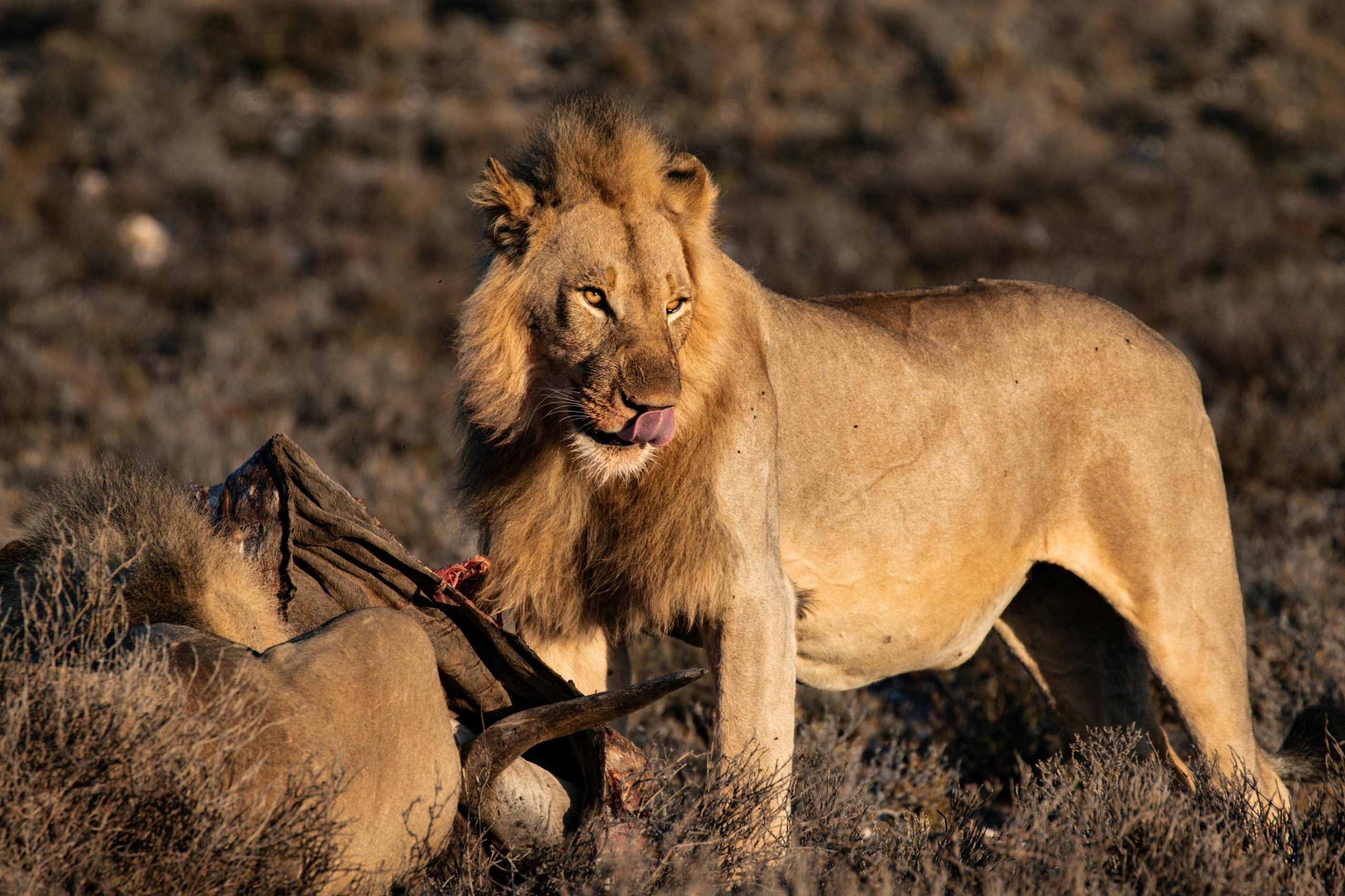
Adaptive Mastery: How Animals Strategize for Survival
In the vast and intricate tapestry of nature, every creature has its unique role and strategy for survival. In this blog post, we will explore the concept of adaptive mastery, a fascinating aspect of animal behavior that illustrates how animals tailor their survival strategies to cope with the challenges of their environments. From the deep oceans to the densest forests, animals have evolved a variety of ingenious mechanisms to thrive. Let’s delve deeper into Adaptive Mastery: How Animals Strategize for Survival.
Introduction to Adaptive Strategies in Animals
Nature’s game of survival is as much about brains as it is about brawn. Adaptive mastery in animals encompasses the diverse ways in which animals have evolved both physically and behaviorally to meet their ecological demands. This adaptation goes beyond mere survival; it is about thriving in their habitats, making the most of the resources available, and outsmarting predators.
One of the notable aspects of adaptive mastery is how it is manifested in different environments. For instance, the camouflage tactics of a chameleon differ vastly from the migratory strategies of the Arctic tern. What works in one scenario may be completely irrelevant in another. Understanding these unique adaptations gives us profound insights into the complexity of life and the interconnectedness of ecosystems.
Key Strategies for Survival
1. Camouflage and Mimicry:
One of the most visually fascinating strategies is camouflage. Many animals, such as the stick insect or the snowshoe hare, have evolved to imitate their surroundings to hide from predators. Mimicry, on the other hand, involves one species evolving to resemble another. The Viceroy butterfly, for instance, mimics the Monarch, which is unpalatable to many predators, to avoid being eaten.
2. Behavioral Adaptations:
Some strategies involve complex behaviors. For example, African elephants communicate over long distances using infrasound that is inaudible to humans. This allows them to convey important information such as the location of food sources or water holes.
3. Physiological Changes:
In some cases, animals undergo physiological adaptations to survive. Take the Arctic fox; its fur changes color and thickness with the seasons to offer both camouflage and insulation. These physiological changes are often triggered by environmental cues, signaling the animal’s body to prepare for upcoming changes in the habitat.
4. Social Structures and Strategies:
Social animals, such as wolves and dolphins, display complex social behaviors that enhance their survival rates. Wolves hunt in packs, combining their strength to take down prey much larger than an individual wolf could handle alone. Dolphins use cooperative hunting techniques where they corral fish into tight balls for easier feeding.
5. Use of Tools and Environmental Manipulation:
Some animals go as far as modifying their environments or using tools to aid their survival. Beavers build dams to create deep-water environments to protect against predators. Capuchin monkeys use stones to crack nuts, showcasing a rudimentary level of tool use previously thought to be unique to humans.
FAQs About Adaptive Mastery: How Animals Strategize for Survival
Q: What is adaptive mastery in animals?
Adaptive mastery refers to the ways in which animals have evolved to survive and thrive in their specific environments. This includes physical adaptations, behavioral changes, and even social strategies.
Q: Can you give an example of an animal with unique adaptive strategies?
Certainly! The octopus exhibits extraordinary adaptive abilities, including changing its skin color and texture to blend into surroundings, jet propulsion to escape predators, and even using coconut shells as protective armor.
Q: How do these survival strategies impact ecological balance?
Adaptive strategies contribute to the ecological balance by ensuring that no single species dominates the ecosystem. Predators and prey evolve in a dynamic balance, which keeps the food web stable and supports biodiversity.
Q: Are human activities affecting these adaptations?
Yes, unfortunately. Human activities such as habitat destruction, pollution, and climate change can disrupt these adaptations. Animals may not be able to evolve quickly enough to cope with these changes, leading to decreased survival rates and biodiversity loss.
Conclusion on Adaptive Mastery: How Animals Strategize for Survival
Adaptive mastery: how animals strategize for survival is a testament to the resilience and ingenuity of wildlife. As we have seen, these strategies are varied and complex, each suited to specific environments and challenges. Understanding and appreciating this diversity is crucial, not only for the science of ecology but also for conservation efforts. Every species has a role to play in its ecosystem, and by learning how different animals adapt to their surroundings, we can better appreciate the delicate balance of nature and our role in preserving it. Let’s continue to explore, study, and protect these incredible examples of adaptive mastery, ensuring that generations to come will also be inspired by the remarkable strategies that animals use to survive.