


Mastering the Wild: Animal Strategies for Survival in Nature’s Arena
In the expansive and untamed wilderness, survival is a fine art refined over millennia. Each organism, from the towering elephant to the microscopic amoeba, has a unique set of strategies that dictate its continuing existence amidst the relentless challenges of its environment. Mastering the Wild: Animal Strategies for Survival delves into the ingenious methods wildlife employs to thrive, offering a fascinating glimpse into the persistent and innovative nature of life on Earth.
Introduction to Animal Survival Tactics
Survival in the wild is no accidental feat; it is a complex dance of adaptation, competition, and resilience. Animals, locked in a perpetual struggle for resources, mates, and life itself, have evolved a plethora of survival strategies. These range from physical adaptations and behavioral tactics to social structures and reproductive strategies. Understanding how animals master the wild can not only deepen our appreciation for nature but also highlight essential conservation strategies to protect these intricate ecosystems.
Physical Adaptations for Survival
Physical adaptations are perhaps the most visually striking strategies animals use to survive. Camouflage, for example, is a widespread technique that animals such as chameleons, tigers, and even owls use to blend into their environments, hiding from predators or sneaking up on prey. Defensive features like the quills of a porcupine or the thick skin of a rhinoceros also play critical roles in survival, offering protection against potential threats.
In colder climates, animals like polar bears and Arctic foxes have developed insulating layers of fat and specialized fur to retain heat, demonstrating how survival strategies can also be a response to abiotic factors like temperature.
Behavioral Adaptations in the Wild
Behavioral adaptations are equally important in Mastering the Wild: Animal Strategies for Survival. Migration is a widely observed phenomenon where species like the monarch butterfly or the wildebeest travel vast distances to find food, mate, or give birth in environments that offer better survival odds. Hibernation is another remarkable behavioral strategy, allowing creatures like bears and bats to conserve energy during scarce winter months by significantly lowering their metabolic rates.
Predatory tactics are also a form of behavioral adaptation. The cunning ambush of a crocodile or the coordinated hunt of a wolf pack highlights how behavioral strategies can be complex and involve high levels of communication and coordination among animals.
Social Structures and Survival
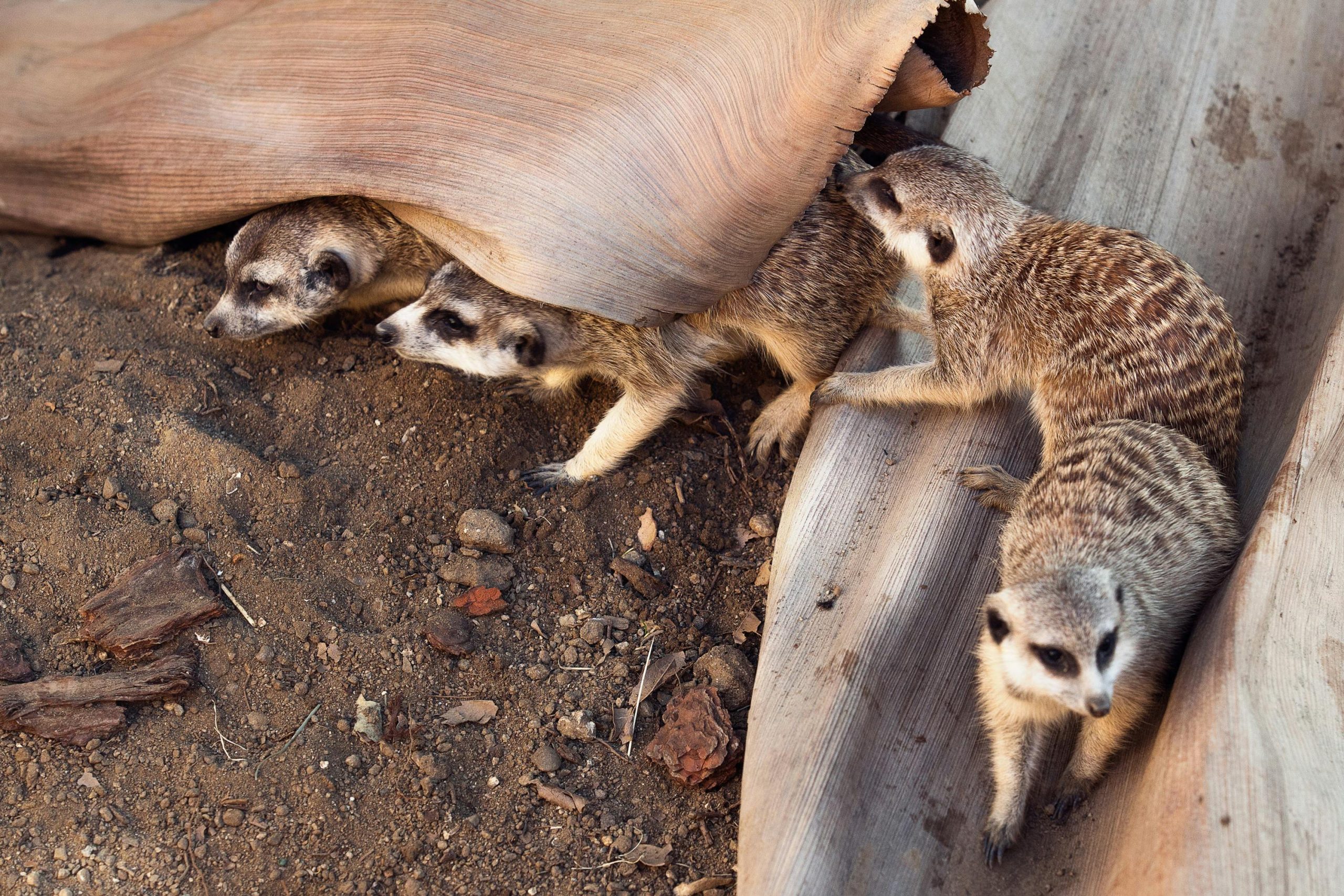
Social structures are crucial in the wild, with many species relying on complex societal systems. Elephants live in tightly knit matriarchal family groups where knowledge is passed down from older generations, aiding in the locations of water or the best migratory routes. Similarly, meerkats use a cooperative approach, where some members stand guard to alert others of impending dangers while the rest forage or play.
These social structures not only help in protecting members but also aid in the rearing of young, ensuring that the next generation is well-equipped to handle the challenges of the wild.
Reproductive Strategies and Genetic Survival
Reproductive strategies are varied and intriguing in the animal kingdom. Some species, like the giant panda, have a very narrow window for reproduction, making their survival precarious. Others, like frogs and fish, lay thousands of eggs, increasing the likelihood that at least a few will survive to adulthood.
Particular attention is also given by some species to parental care, which significantly boosts the survival rates of offspring. The extensive care provided by wolves or birds, who not only feed but also teach their young essential survival skills, exemplifies this strategy.
FAQs on Mastering the Wild: Animal Strategies for Survival
-
What is the most common survival strategy among animals?
- Camouflage and mimicry are among the most common and effective survival tactics used by animals to avoid predators.
-
How does climate change affect animal survival strategies?
- Climate change can alter habitats and food availability, forcing animals to adapt quickly or face extinction. This could mean changing migration patterns, adapting physical traits, or even altering reproductive cycles.
-
Can understanding animal survival strategies help in conservation efforts?
- Absolutely. By understanding what animals need to survive, conservationists can tailor efforts to protect critical habitats, safeguard food sources, and mitigate threats like poaching and habitat destruction.
Conclusion: The Perpetual Battle for Survival
Mastering the wild is an ongoing battle, where only the most adaptable, resilient, or sometimes just the luckiest survive. Animal strategies for survival are as varied as life itself, reflecting the complexity of the ecosystems in which they live. As we continue to observe and study these strategies, the insights gleaned not only fill us with wonder but are also critical in shaping our approaches to wildlife conservation.
Strategies for survival in the animal kingdom are not just instinctual but are refined tools honed by the relentless forces of natural selection. As we advance in our understanding and appreciation of these strategies, our role must shift from passive observers to active protectors, ensuring that the art of survival continues in all its fascinating forms.