


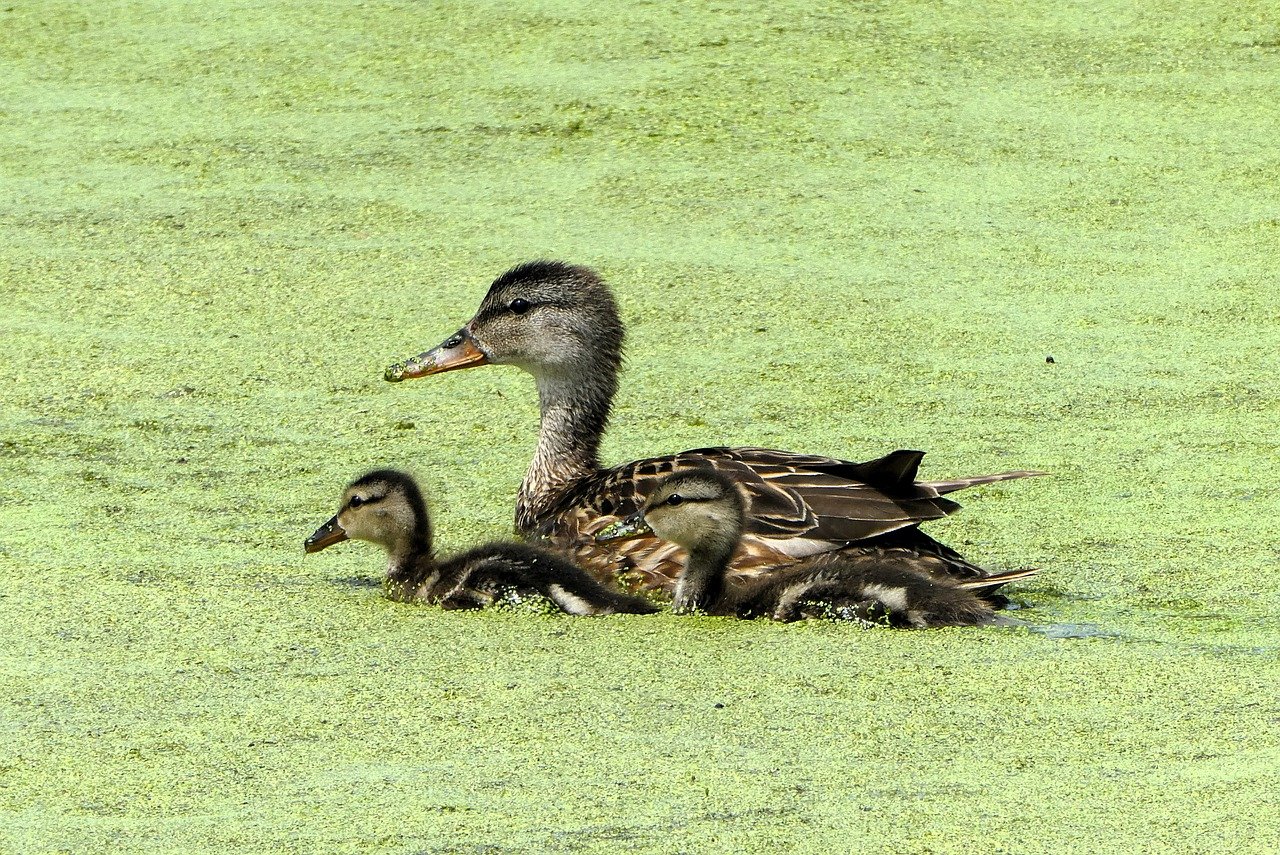
How Nature Enhances Human Interaction: Discover the Benefits of Being Outdoors
Introduction:
In an increasingly digital world, where screens often dominate our interactions, the importance of nature in fostering real, meaningful human connections cannot be overstressed. How does nature enhance human interaction? It does so in various profound and subtle ways, reshaping our social dynamics and improving our overall health. From family picnics in the park to adventurous hikes with friends or peaceful moments by a lake, nature serves as a splendid backdrop that enriches our lives and strengthens our bonds with others.
The Natural Connect: Exploring the Social Benefits of the Great Outdoors:
Nature is not just a scenic retreat from the busy urban life; it is a vibrant arena where human connections can flourish away from digital distractions. Studies indicate that shared experiences in natural settings can lead to stronger relationships. For instance, a simple walk in the woods provides both a calming environment and an opportunity for uninterrupted conversation, laying down the foundation for enhanced empathy, understanding, and connectivity. Let’s delve deeper into how nature enhances human interaction:
- Boosts Communication:
Nature strips away many of the modern distractions that impede meaningful communication. With no screens to distract or calls to interrupt, people find it easier to engage in deep and personal conversations. This enriched communication inevitably leads to stronger relationships. - Encourages Cooperative Play:
Whether it’s team sports at the local park or a group hike through challenging trails, natural settings encourage cooperative behavior. Participating in physical activities not only requires teamwork but also builds trust and camaraderie among participants. - Reduces Stress and Agitation:
The serene ambiance of natural environments dramatically reduces stress and enhances mood. A calm mind is more open to engaging with others, which facilitates better social interactions and reduces conflicts. - Improves Health and Energy Levels:
Regular exposure to nature boosts physical health, which in turn increases energy levels. When people feel vigorous and lively, they are more likely to socialize and participate in community activities. - Cultivates Empathy Through Shared Experiences:
Sharing the awe-inspiring moments that nature often presents – like watching a sunset or spotting wildlife – can foster empathetic connections between individuals. These shared experiences can form the basis of lasting friendships and deeper understanding among groups.
Enhancing Social Events with Natural Elements:
Understanding how nature enhances human interaction can also be leveraged to improve social events. Events held in natural settings generally have a more relaxed atmosphere and encourage mingling and engagement among attendees. For instance, corporate retreats in natural locales are often more successful in team-building than those held in conference rooms. Similarly, family reunions held at campsites or gardens provide a neutral and peaceful setting conducive to reconnection.
Nature’s Role in Child and Adolescent Social Development:
Nature’s influence is particularly significant in the development of social skills among children and adolescents. Outdoor play encourages children to learn negotiation skills, role-playing, and rule-setting in a way that indoor play cannot replicate. For adolescents, group activities like camping or adventure sports are not only fun but are also crucial in building social skills and self-esteem.
FAQs About How Nature Enhances Human Interaction:
Q: Can nature help in reducing social anxiety?
A: Yes, many people find that being in a calm, natural environment helps lower their anxiety, making social interactions less stressful and more enjoyable.
Q: Are there specific activities that are particularly effective in enhancing human interaction through nature?
A: While any activity in nature can be beneficial, team-oriented activities like hiking, cycling, or canoeing can be especially effective as they require communication and cooperation.
Q: How can families incorporate more nature into their lives to enhance interaction?
A: Families can prioritize time outdoors by planning regular weekend outings, gardening together, or even dining outdoors when the weather permits.
Conclusion:
Understanding and embracing how nature enhances human interaction can lead to more fulfilling and healthier social relations. As we move forward into an era dominated by technological communication, it becomes increasingly important to reconnect with the natural world not just for our physical wellbeing, but also for the health of our relationships. By integrating more natural elements into our routine and choosing the outdoors as a setting for social activities, we can nurture stronger bonds with our families, friends, and communities. Let’s step outside and reconnect – nature is waiting to enhance our interactions in the most uplifting ways.