


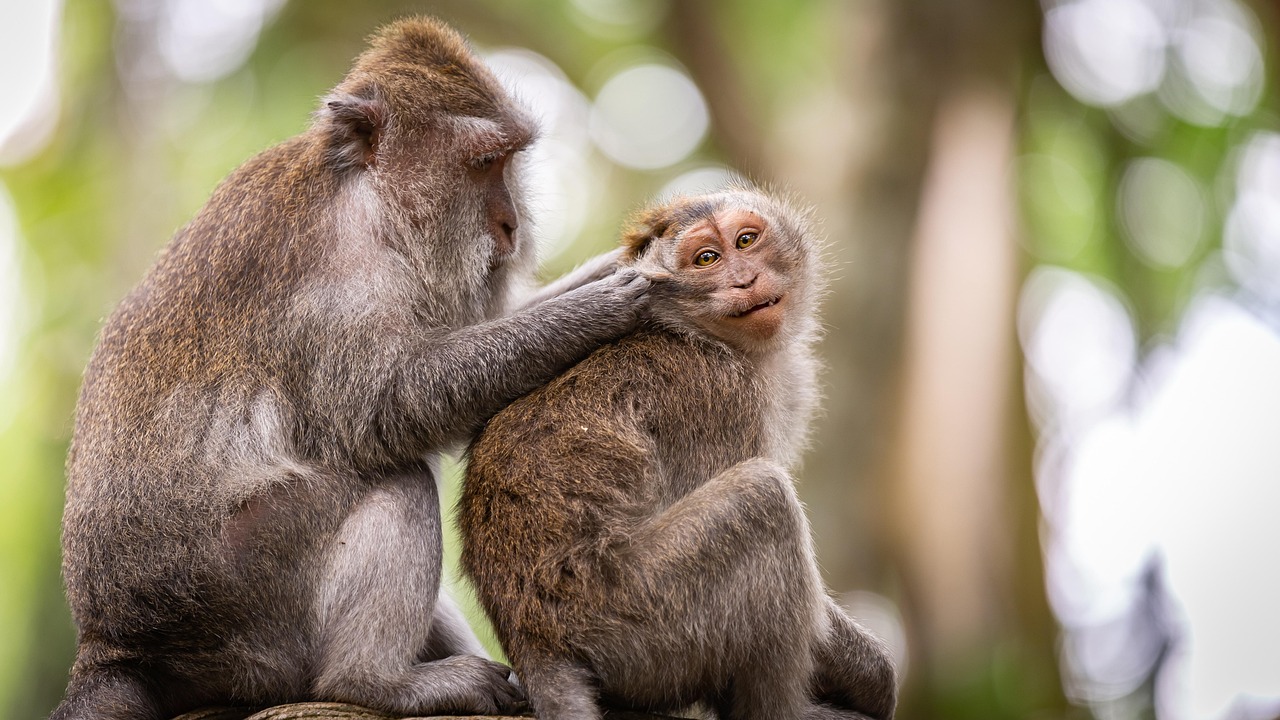
Unleashing the Power of Collaboration: Teamwork Lessons from Animals in the Wild
In the realm of professional and personal success, collaboration emerges as a cornerstone, vital for achieving outstanding results and overcoming complex challenges. Interestingly, the natural world, particularly the wild, presents a rich tapestry of examples demonstrating the effectiveness of teamwork, offering profound insights into collaboration. Unleashing the Power of Collaboration: Teamwork Lessons from Animals in the Wild, can significantly illuminate our understanding and application of team dynamics in our human endeavors.
Understanding Teamwork in the Wild
Animals in their natural habitats exhibit behaviors that can serve as guidelines for effective team collaboration. From the cooperative hunting of lions to the intricate colonies of ants, the animal kingdom is adept at demonstrating teamwork out of sheer necessity. These behaviors are not just instinctive but are refined through constant interaction and communication among group members.
Essential Teamwork Lessons from Animals
-
Clear Role Distribution (Wolves)
Wolves hunt in packs; each member plays a part in tracking, pursuing, and cornering their prey, guided by a clear understanding of their role based on their strengths. This shows that in successful teams, clarity of role and recognition of individual strengths enhance collective efficiency. -
Efficient Communication (Dolphins)
Dolphins communicate using a variety of sounds to coordinate their actions when hunting or defending themselves. This highlights the importance of open lines of communication in ensuring that every team member is on the same page, thus fostering a successful collaborative environment. -
Adaptability (Chimpanzees)
Chimpanzees can adapt their roles and strategies based on the immediate task or challenge. This flexibility allows the team to maximize its resources and adapt quickly to external changes, a crucial lesson for maintaining effectiveness in dynamic business environments. -
Trust and Mutual Respect (Elephants)
Elephants exhibit great care and protection for their herd, showing high levels of trust and empathy. These social bonds facilitate cooperation and can be mirrored in human teams to enhance mutual respect and trust, which are vital for tackling complex projects. -
Shared Goals and Mutual Benefits (Canadian Geese)
The iconic V-formation of migrating Canadian geese is a perfect illustration of shared goals. Each goose takes its turn at the front, bearing the brunt of air resistance, thus conserving energy for the group. This teaches us the value of aligning team members with organizational goals and the power of working towards mutual benefits.
Challenges in Team Collaboration and How to Overcome Them
Even in the wild, teamwork is not without its challenges. Issues such as competition for resources, communication breakdowns, and role conflicts are common. Similarly, human teams face challenges like differing personalities, ambiguous goals, and uneven commitment levels.
To overcome these challenges, teams can take cues from animal behaviors:
- Regularly clarify goals and roles to ensure alignment and reduce conflicts.
- Foster an environment of open communication to address misunderstandings immediately.
- Celebrate individual contributions while keeping the focus on collective success to maintain motivation and reduce rivalry.
Implementing Wild Wisdom in Business Teams
To unleash the power of collaboration in your team, consider these actionable steps:
- Organize team-building activities that focus not only on fun but also on enhancing communication, trust, and understanding of each team member’s capabilities.
- Use technology to facilitate seamless communication, especially in diverse and dispersed teams.
- Establish clear leadership but encourage decentralized decision-making to empower each team member.
FAQ: Teamwork Lessons from Animals in the Wild
Q1: Can you give an example of leadership in wild animals that can be applied in business management?
A1: Alpha wolves are leaders because of their strength and decision-making capabilities. In business, effective leaders are those who can guide during crisis and delegate when needed, similar to how alpha wolves coordinate during hunts.
Q2: How does the hierarchical structure of bees apply to human teams?
A2: Bee hierarchies are based on clear roles, from workers to the queen, each crucial for the hive’s survival. Similarly, recognizing and respecting each role’s importance in a team can lead to more structured and efficient operations.
Q3: What are the limits of drawing teamwork lessons from animals?
A3: Unlike human teams, animal groups act mostly on instinct and fixed roles. Human teams are more dynamic and can innovate. Hence, while lessons from the wild can provide basic guidelines, they should be adapted creatively to fit the human context.
Conclusion
Unleashing the Power of Collaboration: Teamwork Lessons from Animals in the Wild not only adds a layer of fascination but also offers tangible strategies that can be molded to fit the dynamics of human teams. By observing and incorporating these natural lessons into business management and team building, organizations can enhance their collaborative efforts, streamline communication, and propel towards shared success. Embrace these lessons and watch your teams transform and thrive in the competitive business ecosystem, mirroring the seamless collaboration found in the animal kingdom.