


Survival Skills Unleashed: Learning Adaptability from the Animal Kingdom
In the intricate web of life, survival hinges on an organism’s adaptability. Nature, as the grandeur stage for evolution’s play, showcases a myriad of species that have honed unique survival skills to navigate their ecosystems successfully. Through the lens of “Survival Skills Unleashed: Learning Adaptability from the Animal Kingdom,” we can glean valuable lessons on adaptability that may not only spark our admiration but could also enhance our own approaches to challenges in our increasingly complex world.
Introduction to Survival Skills in the Animal Kingdom
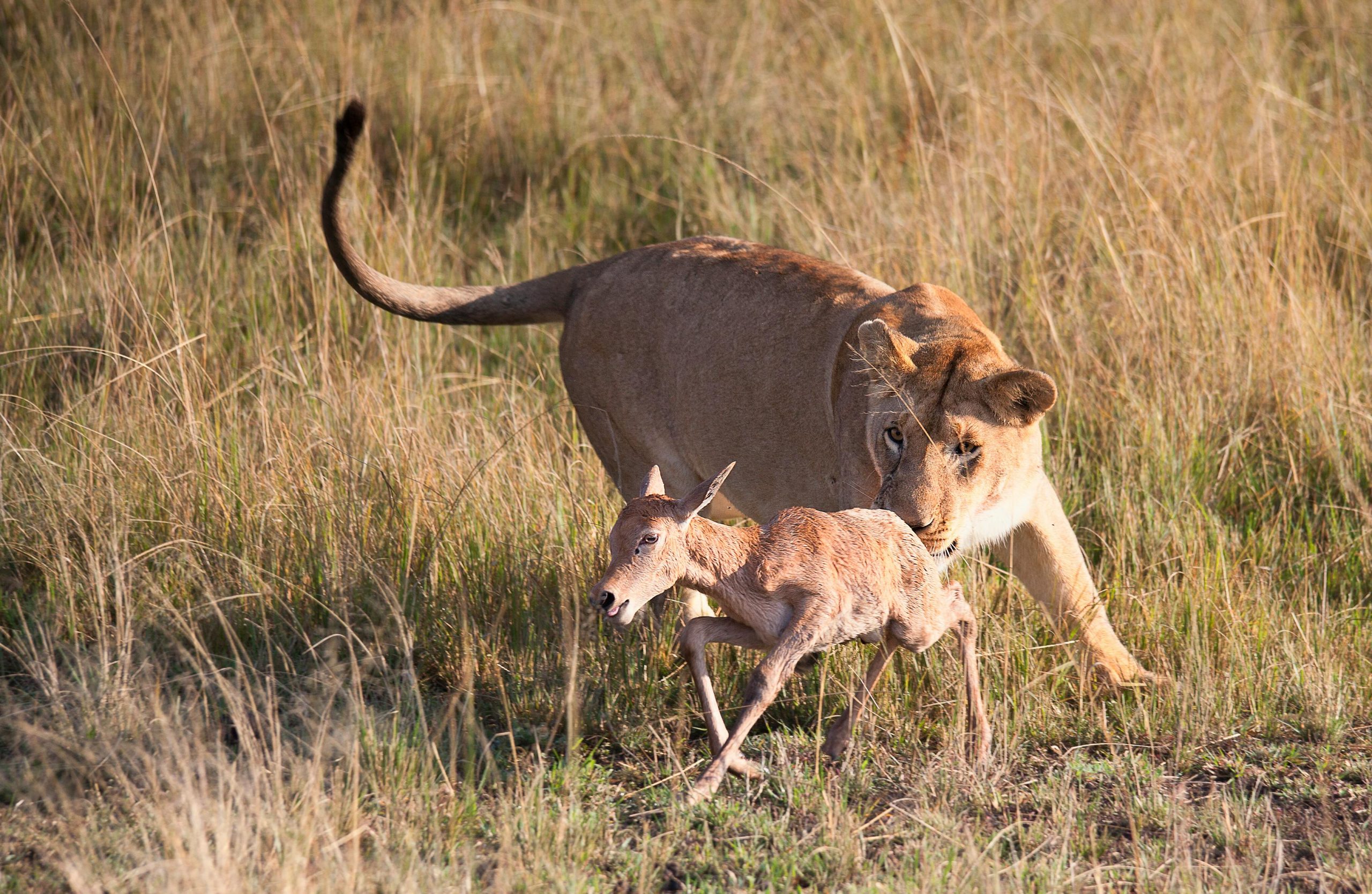
How do animals survive in the wild? What makes them overcome extreme weather, scarce food sources, and predators lurking at every turn? These questions have fascinated scientists and nature lovers alike. Animals, from the majestic lions of the African savannahs to the microscopic tardigrades in moist mosses, have developed astounding survival mechanisms. By understanding these strategies, “Survival Skills Unleashed: Learning Adaptability from the Animal Kingdom” illuminates how adaptability is not merely about surviving but thriving, regardless of the circumstances.
Key Survival Strategies from Various Species
-
Camouflage – The Art of Hiding in Plain Sight
- Example: Chameleons adjust their skin color not just to hide from predators but also to communicate. This ability to blend into their surroundings provides a crucial advantage in their survival kit.
-
Hibernation – Mastering the Art of Energy Conservation
- Example: Bears are often highlighted when discussing hibernation. They drop their metabolic rate to save energy during months when food is scarce, which is an incredible adaptation to their habitats.
-
Migration – The Long Journey to Survival
- Example: Consider the arduous journey of the monarch butterfly, which migrates over 3,000 miles to escape the cold winters of the north. This migration is a powerful testament to the adaptability and endurance of these delicate creatures.
-
Social Structure – Unity as Survival Tactic
- Example: Wolves live and hunt in packs, an evolutionary trait that enables them to take down prey much larger than an individual wolf could handle alone. Their social structure is a defining part of their survival strategy.
-
Problem-Solving and Tool Use – Indicators of Cognitive Adaptability
- Example: Crows are renowned for their problem-solving skills and have been observed using tools to access food sources otherwise out of reach, showcasing a high level of cognitive adaptability.
How Can Humans Learn from “Survival Skills Unleashed: Learning Adaptability from the Animal Kingdom”?
Understanding these survival strategies can provide us with insights into resilience and adaptability. For instance, the business world can learn from the pack tactics of wolves; strength often lies in numbers and coordinated efforts. Meanwhile, in our personal lives, we can take a cue from migrating species like the monarch butterfly, embracing change and discomfort as pathways to new beginnings. More profoundly, in facing global challenges like climate change, the ability of species to adapt and migrate can guide our strategies for mitigation and adaptation.
FAQs on Learning Adaptability from Animals
Q: How can camouflage be used as a metaphor for humans in overcoming daily challenges?
A: Much like a chameleon, humans can learn when to stand out and when to blend in, depending on the situation’s demand, effectively managing what we reveal and what we keep hidden as a strategic advantage in both professional and personal interactions.
Q: Is hibernation applicable in human contexts?
A: In a metaphorical sense, humans do “hibernate” by taking breaks to rejuvenate and conserve energy. Learning to slow down and strategically retreat can be as crucial as staying active, especially in our fast-paced lives.
Q: Can migration teach us something about human resilience?
A: Absolutely. Migration in animals teaches us about the importance of flexibility and adaptability. At times, moving toward resources or better environments is necessary for our growth and survival, emphasizing the need for openness to change.
Q: What can social structures in animals teach us about functioning in society?
A: Similar to wolves, humans thrive in supportive social structures, be it families, friendships, or professional networks. Building and sustaining these networks is essential for collective and individual survival.
Conclusion
“Survival Skills Unleashed: Learning Adaptability from the Animal Kingdom” provides not just a glimpse into the awe-inspiring world of animal survival tactics but also offers a mirror to reflect on our capacity for resilience and adaptation. In drawing parallels between animal behaviors and human strategies for overcoming life’s hurdles, we understand that the core principles of adaptability, interdependence, and innovation are as relevant in the wild as they are in our urban jungles.
Armed with these insights from the animal kingdom, we too can unleash our survival skills, learning when to stand out or blend in, when to forge ahead or strategically retreat, and most importantly, how to continually adapt to the ever-changing environment around us. Let the animal kingdom be both a guide and inspiration for unleashing our adaptability skills to not just survive, but thrive in our complex world.