


Unlocking Wisdom: Exploring Critical Thinking Lessons from Animal Behavior
In a world bustling with information and technology, distinguishing between what is significant and trivial can often feel overwhelming. However, sometimes inspiration and answers lie in the most unusual places. This article unravels the fascinating realm of wisdom hidden in plain sight: the animal kingdom. By Unlocking Wisdom: Exploring Critical Thinking Lessons from Animal Behavior, we can glean insights into our own decision-making processes, improve problem-solving skills, and enhance our critical thinking capabilities.
Introduction to Critical Thinking and Animal Behavior
Critical thinking involves the ability to think clearly and rationally, understanding the logical connection between ideas. It is about being an active learner rather than a passive recipient of information. Similarly, when we observe animal behavior, we notice that animals, too, engage in forms of critical thinking. They solve problems, navigate complex environments, and, in many cases, use tools and strategies that ensure their survival.
By studying their behavior, we can unlock wisdom that aids us in refining our cognitive processes. In this blog post, we delve deeper into the significant lessons we can derive from various animal behaviors and how they can influence our approach to critical thinking.
Lesson 1: Adaptability from Chameleons
Chameleons are renowned for their ability to change color and blend into their surroundings. This ability isn’t just for camouflage but is a sophisticated response to their mood, temperature, and light conditions. The critical thinking lesson here? Adaptability. In our daily lives and decision-making processes, being adaptable to the changing environment and circumstances, much like the chameleon, can lead to better outcomes. By Unlocking Wisdom: Exploring Critical Thinking Lessons from Animal Behavior, we learn the importance of flexibility and the readiness to adjust our strategies as situations evolve.
Lesson 2: Problem Solving from Crows
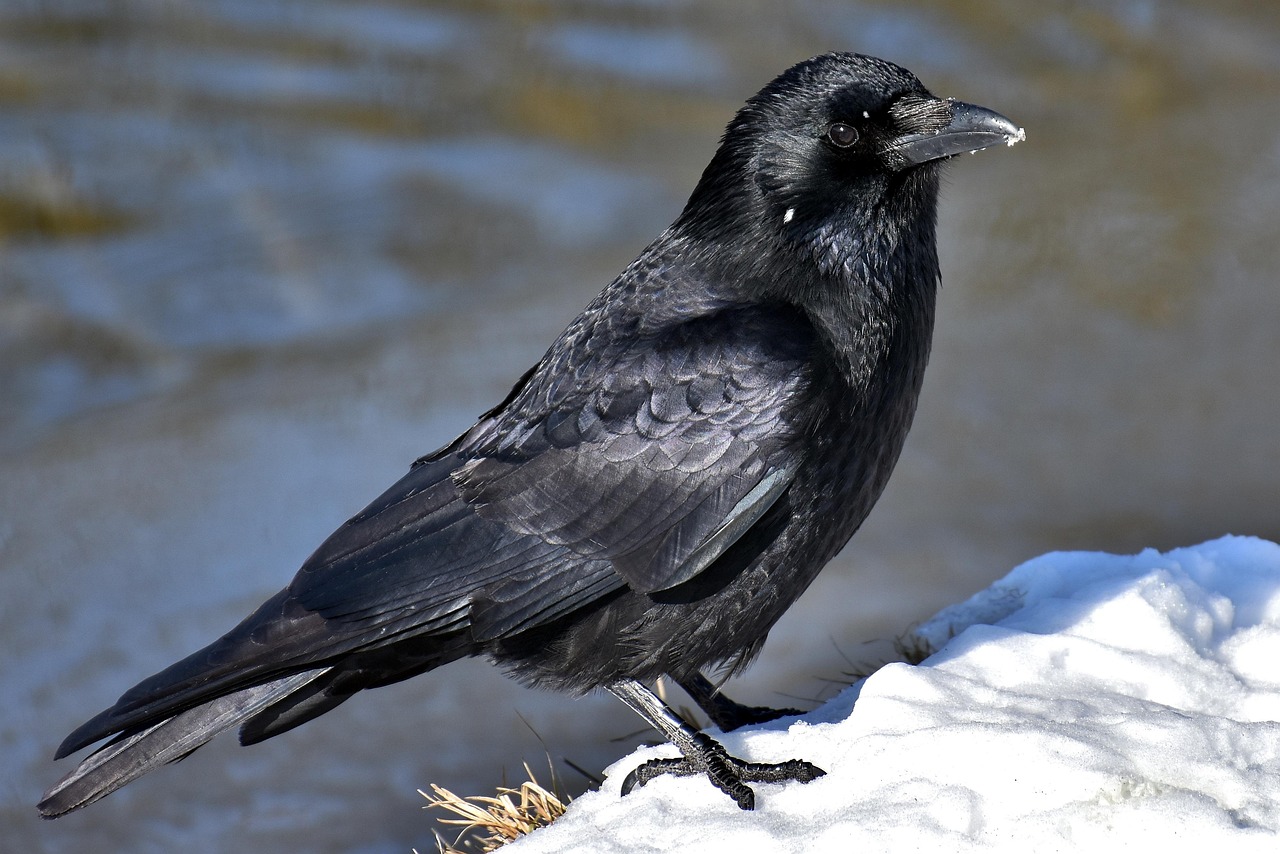
Crows are often cited in studies related to animal intelligence due to their astonishing problem-solving skills. They are known to use tools, solve complex puzzles, and even plan for future needs—an ability once thought to be uniquely human. From crows, we can learn the importance of approaching problems with creativity and foresight. If a crow can anticipate the need to save tools for future use, we too can enhance our foresight in planning and problem-solving, applying this lesson in personal and professional contexts.
Lesson 3: Teamwork from Wolves
Wolves hunt in packs, relying on a collaborative structure where each member plays a role in tracking, pursuing, and closing in on their prey. This organized method of teamwork enhances their success rates. In human contexts, Unlocking Wisdom: Exploring Critical Thinking Lessons from Animal Behavior teaches us about the power of teamwork and collaborative efforts. Whether in a corporate scenario or a community project, the wisdom from wolf packs can encourage us to embrace synergy and collective input in achieving common goals.
Lesson 4: Efficiency from Sharks
Sharks exhibit a behavior known as optimal foraging – a strategy that ensures they expend the least amount of energy for the maximum caloric gain. For humans, this translates into efficiency in our endeavors. By adopting the shark’s methodical approach to energy expenditure, we can enhance our productivity by focusing on tasks that offer the greatest benefit for the least resource investment, a vital lesson in both professional and personal life.
Lesson 5: Communication from Dolphins
Dolphins communicate with an intricate system of squeaks, whistles, and body movements. Effective communication, as demonstrated by dolphins, is paramount in critical thinking and decision-making processes. It ensures clarity, mitigates misunderstandings, and optimizes outcomes, highlighting the significance of clear and effective communication in our lives.
FAQs About Exploring Critical Thinking Lessons from Animal Behavior
Q1: How can observing animal behavior improve human critical thinking?
A1: Observing animal behavior offers a fresh perspective on problem-solving, adaptability, efficiency, and communication. These insights can inspire innovative approaches to everyday challenges.
Q2: Can these lessons from animals be applied in professional settings?
A2: Absolutely! Concepts such as teamwork from wolves or efficiency from sharks can be directly applied to improve processes, enhance collaboration, and boost productivity in the workplace.
Q3: Are there resources or tools to help incorporate these animal behaviors into learning critical thinking?
A3: Yes, numerous books, documentaries, and scientific studies detail animal behavior. Interactive workshops and training sessions also exist that use animal behaviors to teach critical thinking skills.
Conclusion
Unlocking Wisdom: Exploring Critical Thinking Lessons from Animal Behavior is not just about appreciating the ingenuity of nature’s creatures. It’s about integrating their ancient wisdom into our modern-day thinking processes to enhance clarity, efficiency, and effectiveness in various aspects of life. Every creature, from the adaptable chameleon to the efficient shark, has a lesson to teach us, and by paying attention, we may not only improve our skills but also develop a greater appreciation for the natural world. Let’s keep observing, learning, and growing with the help of our animal counterparts.