


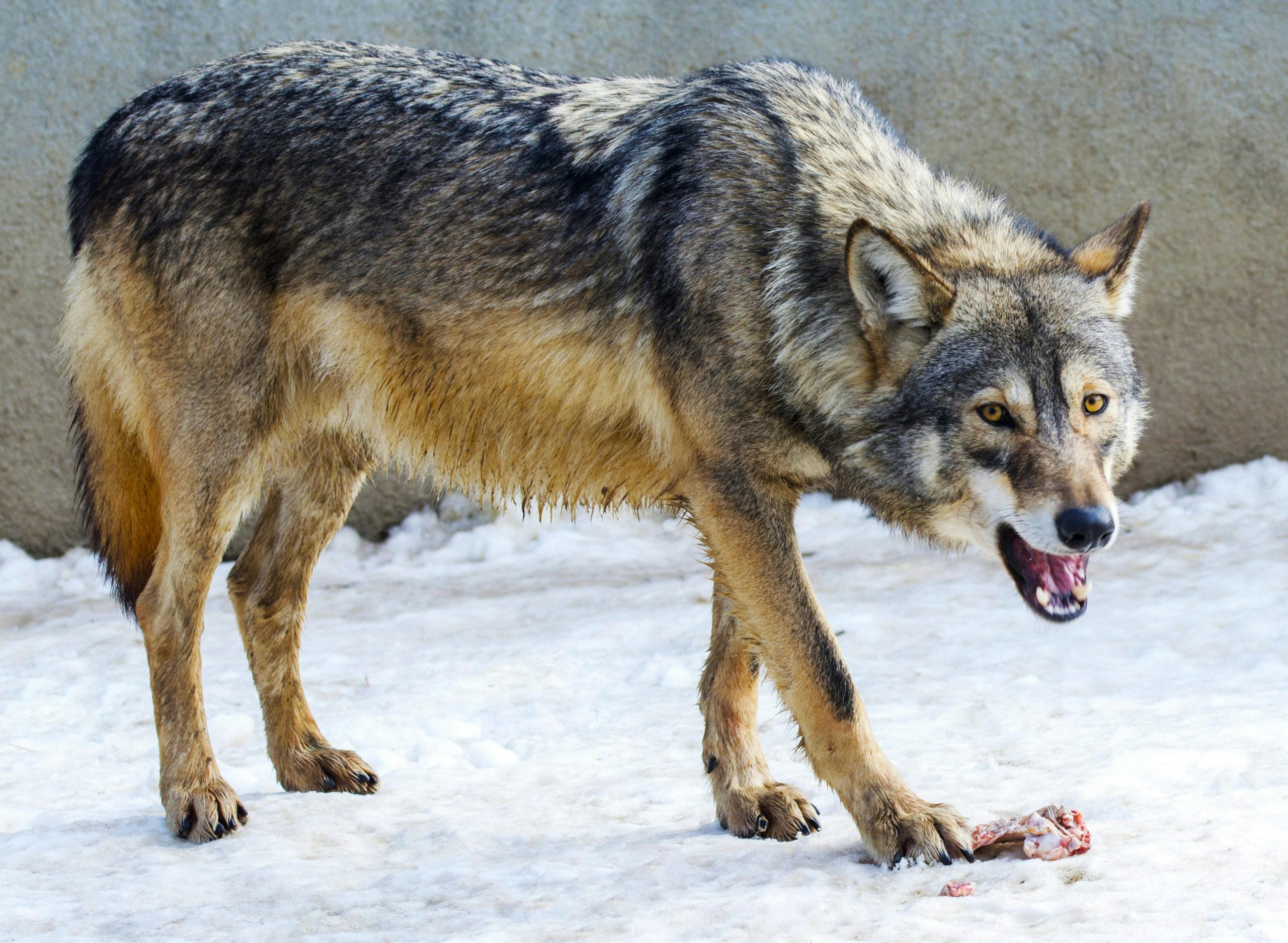
Unlocking Nature’s Secrets: What Animal Behavior Teaches Us About Survival and Communication
Imagine watching a group of ants tirelessly work at forming perfect lines, or hearing the haunting howls of wolves under the moonlight. These aren’t just random acts of nature but are insightful lessons in survival and communication. In the vast tapestry of the natural world, each creature, from the smallest insect to the largest mammal, plays a role in a complex ecological narrative. By studying their behaviors, we can unlock secrets about not only their survival but potentially ours as well.
Introduction to Animal Behavior and Its Insights
Animals exhibit behaviors that, on the surface, may seem instinctual and straightforward. However, a deeper look reveals sophisticated communication systems, resourceful survival tactics, and social structures that have enabled them to adapt and thrive through millennia. Understanding these behaviors isn’t just about scientific curiosity; it provides practical insights that can lead to innovations in technology, improve our conservation efforts, and even enhance our interpersonal communication skills.
Survival Strategies Learned from Animal Behavior
Animals are masters of survival, with behaviors refined by natural selection to maximize their chances in a world full of predators, scarce resources, and harsh environments. For instance, the mimic octopus can imitate the physical appearance and movements of more than fifteen different species, including lionfish, flatfish, and sea snakes. This remarkable ability helps it to both evade predators and sneak up on prey. Observing such clever survival tactics in animals can inspire innovative approaches in technology and design, known as biomimicry.
Moreover, the way some species collectively ensure survival can enlighten our own strategies for handling environmental challenges. Consider the African elephants that dig water holes in dry riverbeds or the beavers that construct dams to control water flow; these behaviors highlight the importance of modifying environments thoughtfully and sustainably.
The Role of Communication in the Animal Kingdom
Communication among animals varies significantly across species and is crucial for several aspects of their lives, including finding a mate, sharing information about food sources, and warning others about potential dangers. The sophisticated language of bees, which includes dances that communicate the direction and distance of food sources, offers incredible insights into the efficiency of non-verbal communication. By studying these systems, businesses can learn much about teamwork and the transfer of information, improving operational efficiency.
The Unlocking Nature's Secrets: What Animal Behavior Teaches Us About Survival and Communication extends beyond mere observation, allowing us insights into emotional intelligence too. Elephants, known for their memory and intelligence, show profound examples of empathy and social bonding which can teach us about social cohesion and the emotional competencies necessary for peaceful coexistence.
Practical Applications and Innovations Inspired by Animal Behavior
The field of biomimicry has seen numerous innovations inspired directly by animal behaviors. The classic example is the development of Velcro from the way burrs attach to animal fur. Similarly, the study of shark skin, which is known for its drag-reduction properties, has led to the development of swimsuits and vessel coatings that mimic this texture to improve speed and reduce energy usage.
In urban planning, the connectivity and efficiency of ant colonies have inspired software developers and city planners to design better traffic flow systems and efficient logistical routes, mimicking how ants find the most efficient paths from their nests to food sources.
Frequently Asked Questions (FAQs)
Q1: How can understanding animal communication improve human interactions?
A1: By studying animal communication, we can learn the importance of non-verbal cues and context in conveying information, thus enhancing our own interpersonal and cross-cultural communication skills.
Q2: What are some ways animal behavior has influenced modern technology?
A2: From the development of radar technology inspired by bat echolocation to robotic arms designed based on the tentacles of octopuses, animal behavior has significantly influenced innovative technological solutions.
Q3: Why is it important to study animal behavior?
A3: Studying animal behavior helps us understand biodiversity, protects ecosystems, informs conservation strategies, and provides insights that lead to technological and social innovations.
Conclusion
Unlocking Nature's Secrets: What Animal Behavior Teaches Us About Survival and Communication serves as a window into the complexities of nature’s ingenuity. Through the diligent decoding of animal interaction and survival mechanisms, not only do we gain a deeper appreciation of wildlife but also find pathways to enhance human technology, economy, and social interactions. From ants to elephants, animals teach us that survival is as much about communication and adaptation as it is about resilience. Thus, understanding animal behavior allows us to tap into a wellspring of knowledge that has the power to transform our society in sustainable and profound ways. As we continue to explore these natural phenomena, we inevitably ensure a better future for both our species and the ecosystems we inhabit.