


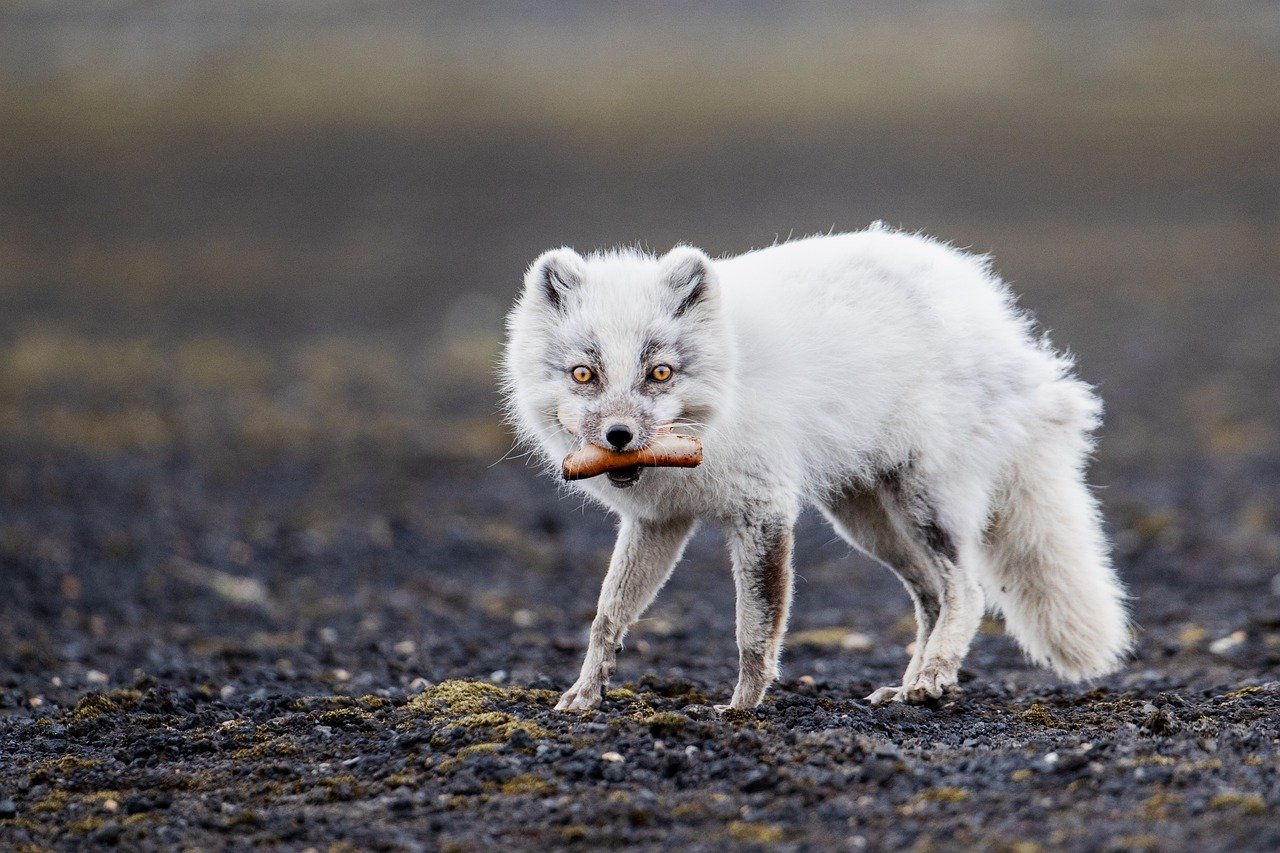
Teamwork in the Wild: How Animal Groups Collaborate for Survival
Nature is a vast, interconnected community where teamwork isn’t just encouraged; it’s necessary for survival. From the intricate labor division in a beehive to the collaborative hunting strategies of wolves, teamwork in the wild is a fascinating display of complexity and efficiency. In this blog post, we’ll dive deep into how animal groups collaborate for survival, uncovering lessons that even humans can learn from our fellow earth inhabitants.
The Importance of Teamwork in the Wild
Teamwork in the wild is not just about living together; it’s about thriving together. Animal groups demonstrate remarkable strategies to face challenges and maximize their chances of survival. These collaborations are evident in various forms and across numerous species within both terrestrial and aquatic environments.
Examples of Collaborative Survival Strategies
-
Wolves: The Art of the Group Hunt
Wolves are one of the most celebrated examples of teamwork in the wild. Operating in packs, these canines coordinate their positions and strategically plan their attack on prey much larger than individual members. This not only increases their hunting success rate but also ensures that elderly and younger members of the pack have access to food. -
Dolphins: Protection in Pods
Dolphins swim in pods that can number in the dozens or even hundreds. This social structure helps them protect each other from predators and combines efforts in nurturing the young. Moreover, their coordinated movements during feeding – known as bubble net feeding – showcase advanced levels of teamwork where dolphins create bubbles to herd fish into tight swarms for easy feeding. -
Elephants: A Matriarchal Network
Elephant herds are led by the oldest and often largest female, known as the matriarch. Her experience and wisdom guide the herd. Responsibilities, from rearing the young calves to making decisions about migration for water and food, are shared across the group, underlining the critical role of teamwork in sustaining the herd. -
Ants and Bees: Masters of Division of Labor
Perhaps no other creatures epitomize teamwork as much as ants and bees. These insects live in highly structured communities where every individual has a role that supports the colony. From foraging to care for the young and the queen to protecting the nest, their survival and prosperity depend on intricate patterns of teamwork.
FAQs About Teamwork in the Wild
-
How do animals communicate for effective teamwork?
Animal communication varies significantly among species. This can range from auditory signals like howling and barking in wolves, visual signals such as feather displays in birds, to pheromones in ants and bees which guide others to food sources or alert them to dangers. -
Does teamwork in the wild differ during different seasons?
Yes, many animal groups adjust their collaborative strategies based on seasonal changes. For example, some birds form flocks only during migration periods, while wolves may split up into smaller groups during winter to cover more ground when food is scarce. -
What are the benefits of such teamwork for survival?
Teamwork allows animal groups to exploit larger or more challenging environments, increase the efficiency of food resources, improve defense mechanisms against predators, and enhance care and teaching of their young. This collaboration often results in higher reproductive success and longevity of individuals within the group. -
Can solitary animals survive without teamwork?
While many animals thrive on teamwork, numerous species do excel in solitude. However, they might still engage in temporary partnerships or alliances when necessary, especially during mating season or for a particular mutual benefit.
Conclusion
The concept of teamwork is not unique to human beings; it’s an evolutionary trait shared across the animal kingdom. “Teamwork in the Wild: How Animal Groups Collaborate for Survival” not only provides a testament to the adaptability and continuity of wildlife but also serves as a mirror reflecting back the necessity of cooperative spirit in our own lives. Nature teaches us that the strength of a group, united in purpose and action, can overcome challenges that are insurmountable alone. As we continue to explore these extraordinary teamwork examples, it’s clear that collaboration is not just a strategy for survival – it’s foundational to thriving on this planet we share.
By observing and understanding teamwork in the wild, we learn the value of diversity, communication, and shared responsibilities. These lessons are vital as we aim to sustain our environment and create more resilient communities. Whether it’s a pack of wolves navigating the forests or a colony of bees buzzing in harmony, every story of collaboration in nature has invaluable insights, reminding us that sometimes, achieving the impossible is just a team effort away.