


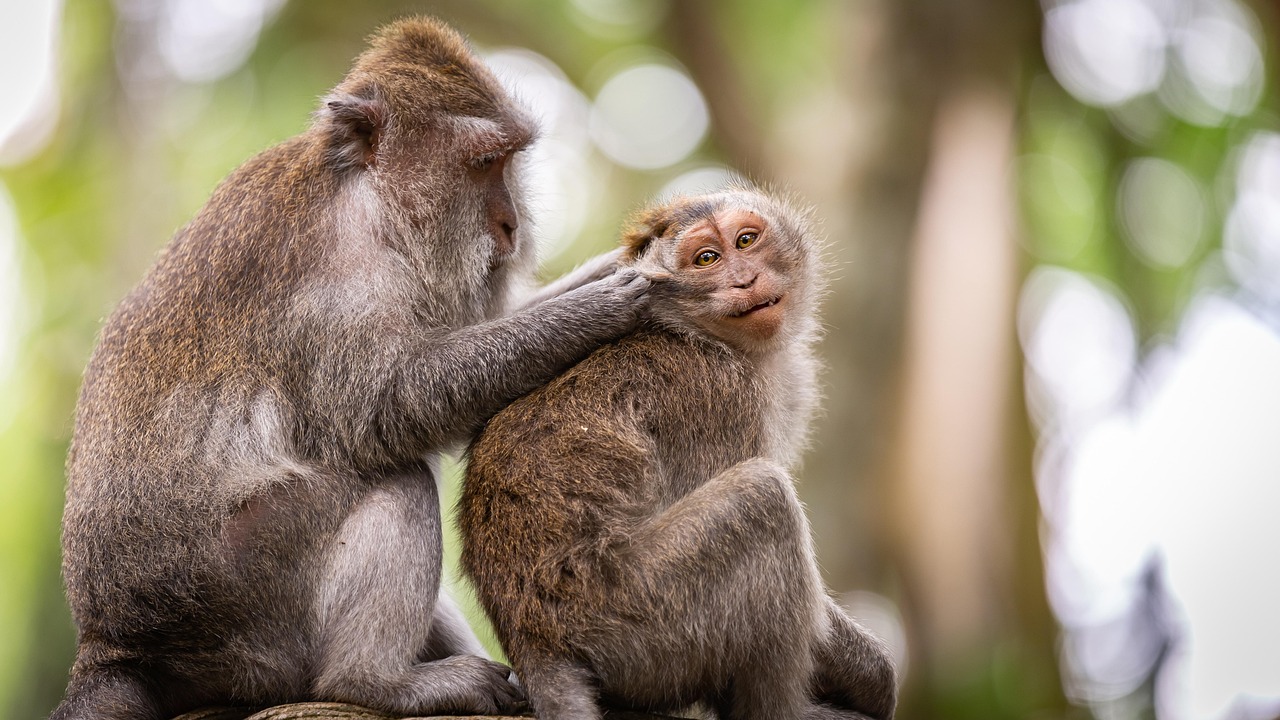
Lessons from the Wild: What Animals Can Teach Humans About Life
The wilderness is not just a place of breathtaking beauty and fierce challenges; it’s also an incredible classroom. Observing animals in their natural habitats teaches us profound lessons about resilience, community, and adaptation. In our hustle-bustle world, we often overlook the wisdom our wild counterparts share through their daily existence. Today, let’s rediscover some timeless lessons from the wild: what animals can teach humans about life.
Introduction to the Wisdom of the Wild
Animals, whether they’re pacing the savannahs of Africa, swimming through the Amazon River, or navigating the urban jungles, exhibit behaviors and traits from which we can draw significant life lessons. From the smallest ant to the largest elephant, every creature has something valuable to teach us. These lessons are not abstract; they are practical insights that can help us improve our interpersonal relationships, workplace dynamics, mental health, and our understanding of the natural world.
Lesson 1: Adaptability — The Secret to Survival
One of the primary lessons from the wild is the importance of adaptability. Consider the chameleon, an icon of adaptation, changing its color to blend into different environments. This teaches us the value of adjusting to new situations rather than resisting change. In a world where change is the only constant, being adaptable in our careers, personal lives, and mindsets can determine our success and happiness.
Lesson 2: Teamwork Makes the Dream Work
Wolves are known for their pack mentality, which underscores the importance of teamwork. Each member plays a role in hunting, protecting, and nurturing within the group. This collaborative spirit is something humans can mimic to enhance productivity and foster a supportive environment in workplaces and families. Effective teamwork leads to better outcomes and can make daunting tasks more manageable.
Lesson 3: Resilience — Falling Down and Getting Up
The life of a migratory bird is an epic tale of resilience. These birds travel thousands of miles facing numerous hazards, yet their focus remains unwavering. Their journey teaches us resilience—the ability to recover from setbacks and continue moving toward our goals. Personal setbacks, much like the storms faced by migratory birds, are inevitable, but our response to these challenges shapes our path forward.
Lesson 4: Living in the Moment
Animals don’t dwell on past failures or worry about the future; they live in the present. This quality of being mindful and enjoying the moment is a significant lesson for humans, especially in our fast-paced, anxiety-driven society. Embracing the now can lead to a more fulfilled, stress-free life.
Lesson 5: Effective Communication is Key
Dolphins communicate with intricate whistles and clicks, a system so effective that it allows them to coordinate with each other within the vast and noisy ocean. This teaches us the value of clear and effective communication in human interactions. Whether it’s in personal relationships or in professional settings, conveying our thoughts clearly and listening sincerely are imperative.
Lesson 6: Conservation of Resources
Animals are masters at conserving their energy, using it only when necessary. Watch a lion on the hunt; it rests until the perfect moment to strike. This principle of energy conservation can be a metaphor for how we manage our resources, be it time, money, or energy, focusing our efforts where they are most effective.
Lesson 7: The Art of Persistence
The persistent nature of animals like honeybees, which visit hundreds of flowers just to make a spoonful of honey, imparts a significant lesson about persistence. Their unyielding dedication to their task teaches us that persistence is vital in achieving anything worth having, be it in personal endeavors, in education, or in professional achievements.
FAQs:
Q1: How can observing wildlife help improve our mental health?
Observing wildlife can provide stress relief, enhance mood, and offer a sense of connection with nature, which studies have shown to be beneficial for our mental health.
Q2: Can learning about animal behavior improve human leadership skills?
Yes, by observing leadership in animal groups, such as in packs or prides, humans can learn about leadership styles, decision-making processes, and conflict resolution.
Q3: What are some practical ways humans can learn from animals?
Humans can engage in activities like bird watching, nature hikes, or even regular visits to local parks to observe and learn from the interactions and behaviors of animals.
Q4: Why is adaptability considered critical in today’s world?
With rapid technological advancements and evolving societal norms, adaptability enables individuals to manage changes efficiently, embrace new opportunities, and overcome challenges.
Conclusion
In essence, lessons from the wild: what animals can teach humans about life are about looking beyond our human experiences and learning from the world around us. They teach us resilience, adaptability, the power of living in the moment, and so much more. By incorporating these lessons into our lives, we not only enrich our personal and professional lives but also foster a stronger connection with the natural world, ensuring we live more harmoniously within it. The wilderness continues to be not just a space of natural beauty but a source of profound life teachings.